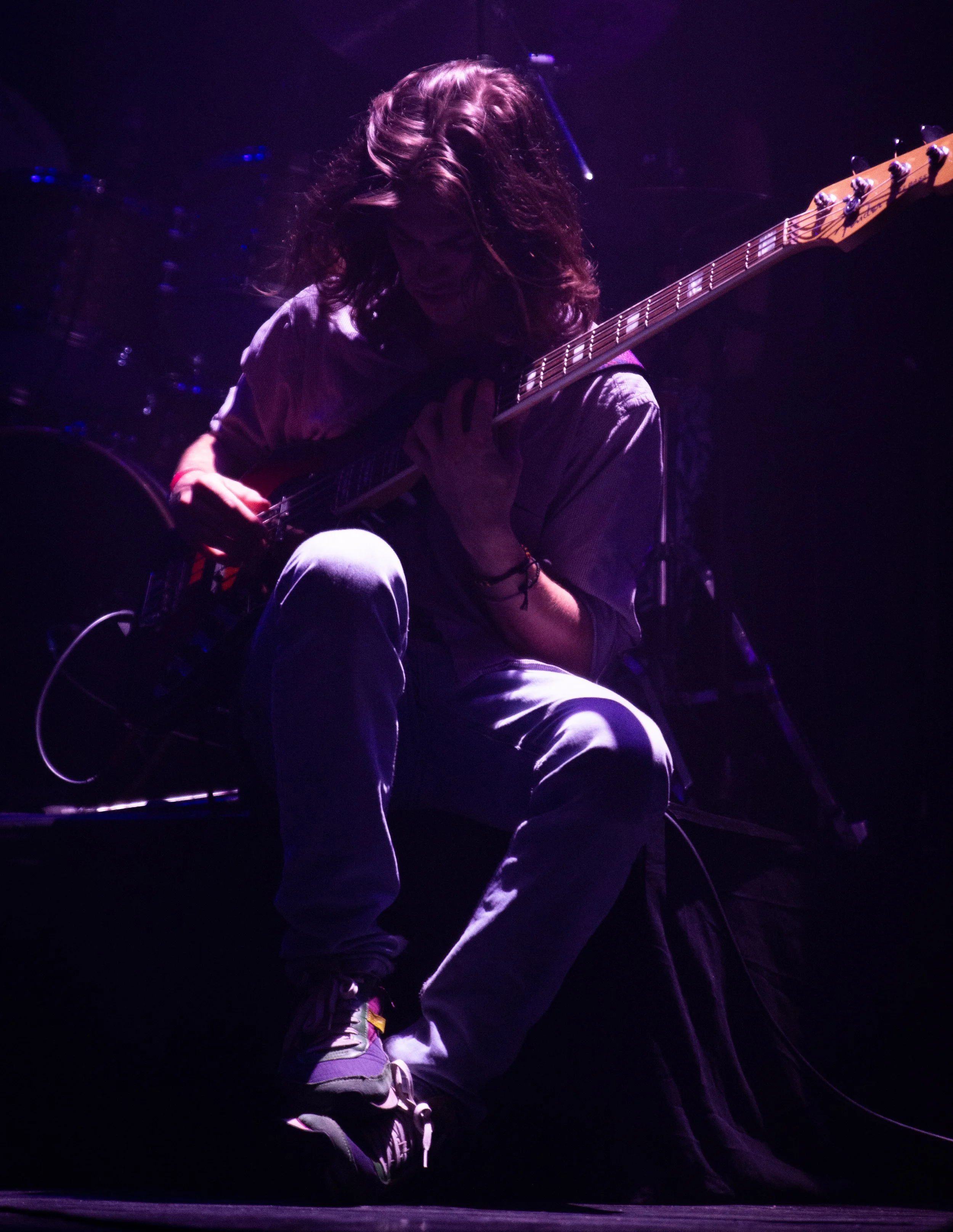
Advanced Bass Guitar Techniques Every Serious Musician Must Master - Central Music Institute (CMI)

Do you feel like your bass playing has hit a ceiling? Many musicians reach a stage where basic grooves and beginner riffs no longer feel challenging—and that’s exactly when advanced technique becomes the gateway to true artistry.
At Central Music Institute (CMI), our elite bass guitar programs are designed to move players beyond fundamentals and into the realm of professional-grade musicianship. From world-class tone control to virtuosic two-handed coordination, mastering advanced bass guitar techniques transforms you into a versatile, expressive, and in-demand bassist.
Below are five essential advanced bass techniques taught and refined at CMI—complete with practice concepts used by our expert faculty to prepare students for global performance stages, studio sessions, and international music examinations.
Technique 1: Fingerstyle Bass Guitar

What is fingerstyle?
Fingerstyle is the most fundamental—and powerful—approach to plucking the bass. Instead of using a pick, players alternate the index and middle fingers of their plucking hand to articulate notes with nuance and dynamic control.
Why Fingerstyle Is Essential
Many of the world’s most revered bass innovators—including James Jamerson, Jaco Pastorius, Geddy Lee, and Steve Harris—built legendary careers primarily with fingerstyle technique.
At CMI, students learn to exploit fingerstyle’s tonal spectrum:
Pluck near the neck for warm, round lows
Play close to the bridge for bright articulation
Vary attack pressure for expressive dynamics
Shape tone for jazz, funk, metal, fusion, and pop contexts
Practice Focus at CMI
Our instructors begin with:
Open-string alternation drills using a metronome
Chromatic 1-2-3-4 fret patterns across all strings
Hand-synchronisation studies to refine accuracy and speed
Fingerstyle mastery forms the technical backbone of every advanced bassist trained at Central Music Institute.
Technique 2: Slap and Pop Bass

What Is Slap and Pop?
Originating in 1960s funk, Slap and Pop involves:
Slap: striking the string with the thumb
Pop: pulling the string upward with a finger so it snaps back onto the fretboard
Why You Should Learn It
The technique was pioneered by Larry Graham and later brought into rock and alternative by Flea and Les Claypool.
Slap bass delivers:
Percussive attack
Tight rhythmic presence
High-energy stage impact
Groove-driven funk authority
CMI Training Exercises
Students work through:
Chromatic octave slap-pop drills
Multi-string switching patterns
Tone-control studies at slow and fast tempos
Ghost-note articulation for advanced funk phrasing
Technique 3: Two-Handed Tapping on Bass

What Is Tapping?
Tapping uses the fingers of both hands directly on the fretboard to sound notes—allowing pianistic range and lightning-fast passages.
Though popularised on guitar by Eddie Van Halen, bass virtuosos such as John Myung and Billy Sheehan turned it into a modern low-end spectacle.
Why CMI Bassists Study Tapping
Expands playable register instantly
Enables arpeggios across octaves
Creates soloistic textures
Strengthens independence between hands
Faculty-Led Drills
Major-scale patterns with every third note tapped
Single-string triad arpeggios
Pull-off and hammer-on endurance routines
Precision-based metronome training
Technique 4: Bass Harmonics

What Are Harmonics?
Harmonics isolate upper overtones in a vibrating string, producing bell-like chimes. These tones are accessed by lightly touching specific nodal points—most commonly at the 12th, 7th, 5th, and 4th frets.
Why They Matter
Harmonics add:
Orchestral shimmer
Extended upper register
Ambient textures
Solo-bass vocabulary
A famous pop example can be heard in Tony Kanal’s intro line—Tony Kanal.
CMI Harmonic Studies
Students refine:
Natural harmonic mapping on all strings
Interval recognition by ear
Harmonic scale fragments
Chordal harmonic voicings in the upper register
Technique 5: Sweep Picking on Bass

What Is Sweep Picking?
Sweep picking uses a single fluid motion of the picking hand while the fretting hand outlines arpeggios across multiple strings—creating rapid, harp-like cascades of notes.
Why Advanced Players Use It
Ultra-clean arpeggio execution
Efficient high-speed passages
Progressive-rock and metal vocabulary
Sophisticated solo textures
CMI Curriculum Approach
Minor, major, and diminished arpeggio shapes
Strict down-stroke / up-stroke coordination
Slow-tempo accuracy development
Dynamic control at performance speed
Expanding Your Bass Vocabulary at Central Music Institute
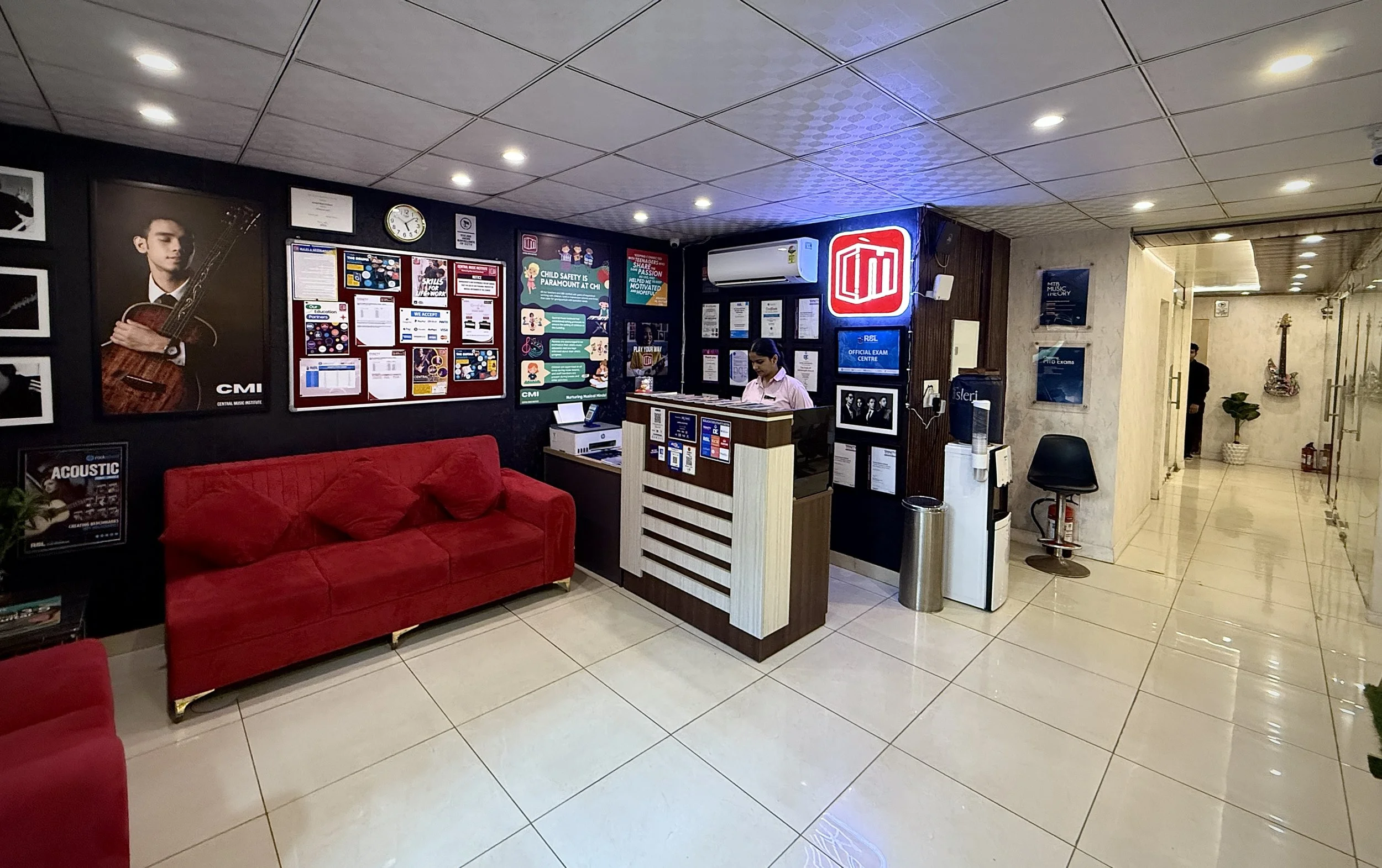
At Central Music Institute, we encourage bassists to think beyond traditional roles. Students explore:
Chordal playing in upper registers
Classical finger-independence patterns
Multi-voice arpeggiation
Effects processing inspired by innovators like Cliff Burton of Metallica and Justin Chancellor from Tool
Our bass guitar programs integrate:
Elite European pedagogical frameworks
Performance-driven training
Studio musicianship
Global exam preparation
Artist-development mentorship
Become an Elite Bass Guitarist with CMI

Mastering advanced bass techniques is not about flash—it’s about musical authority, tone command, rhythmic precision, and expressive depth.
At Central Music Institute, students are guided by world-class educators inside a system built for global excellence.
If you are ready to elevate your musicianship, dominate any genre, and develop a professional-level bass vocabulary, CMI is where your transformation begins.
Explore advanced bass guitar lessons at Central Music Institute today—and shape the future of your sound. 🎸✨