

Central Music Institute (CMI) | Largest Music Institute Of Asia | Premium Music Academy Of Asia | Biggest Music School Of Asia

A New Chapter for Music Education in New Delhi
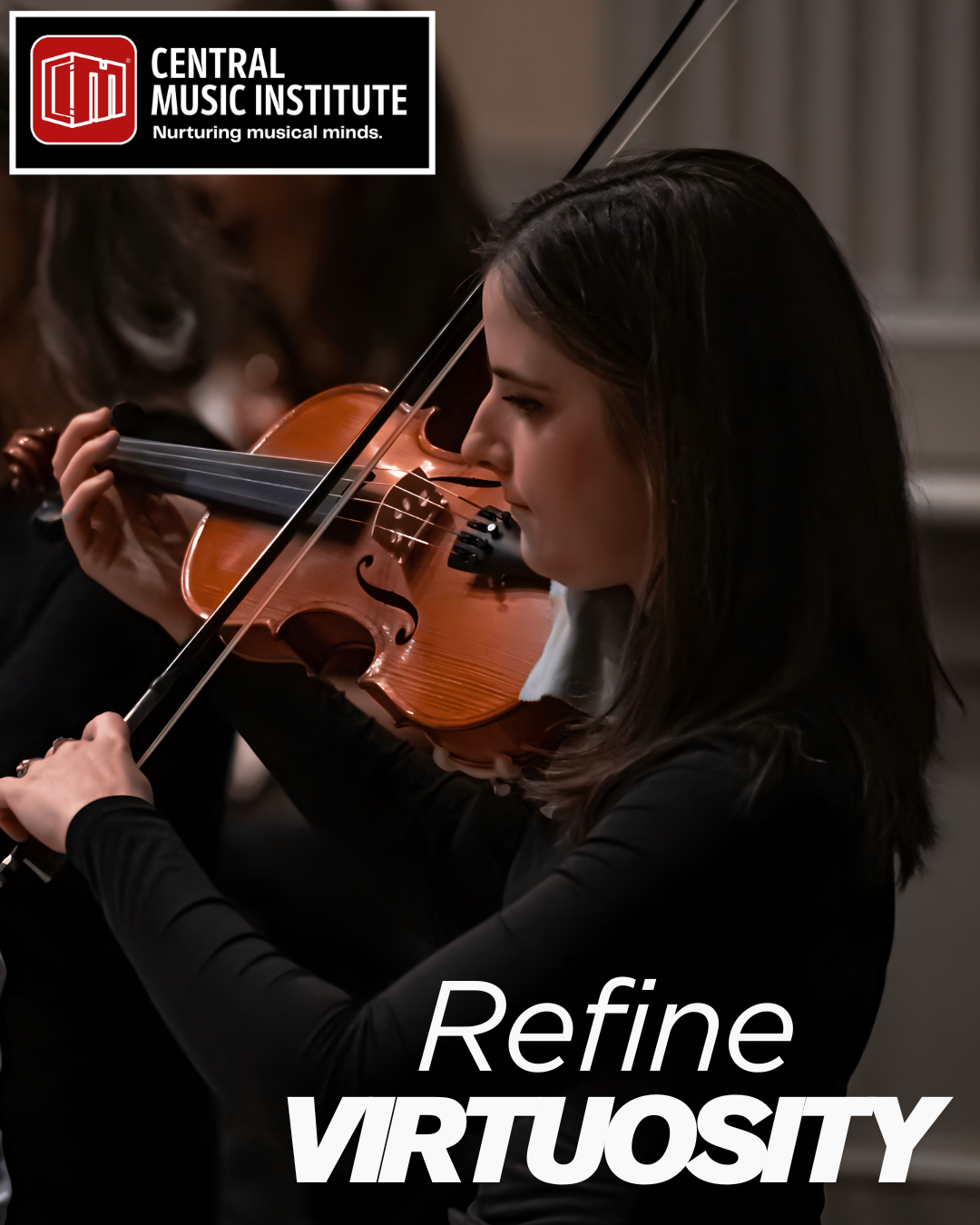
Music education is changing. The modern music student is no longer learning exclusively from a teacher, a textbook and an instrument. Today's musicians grow up surrounded by streaming platforms, digital production, artificial intelligence, global music cultures and technology that can transform how music is learned, created and performed.
Central Music Institute (CMI) is building for this new era.
Its upcoming 15,000 sq. ft. flagship music institute campus on Club Road, Punjabi Bagh, New Delhi, is being conceived as a premium destination for contemporary, Western and Indian Classical music education. More than a conventional music school, CMI is creating a sophisticated musical ecosystem where students can learn, rehearse, perform, create, record and collaborate within an environment designed around modern expectations.
From professionally equipped classrooms and high-quality instruments to AI-driven learning, advanced music technology, climate-controlled spaces and dedicated facilities for music production and audio engineering, CMI represents a more comprehensive approach to music education.
15,000 Sq. Ft. of Music, Technology & Creativity
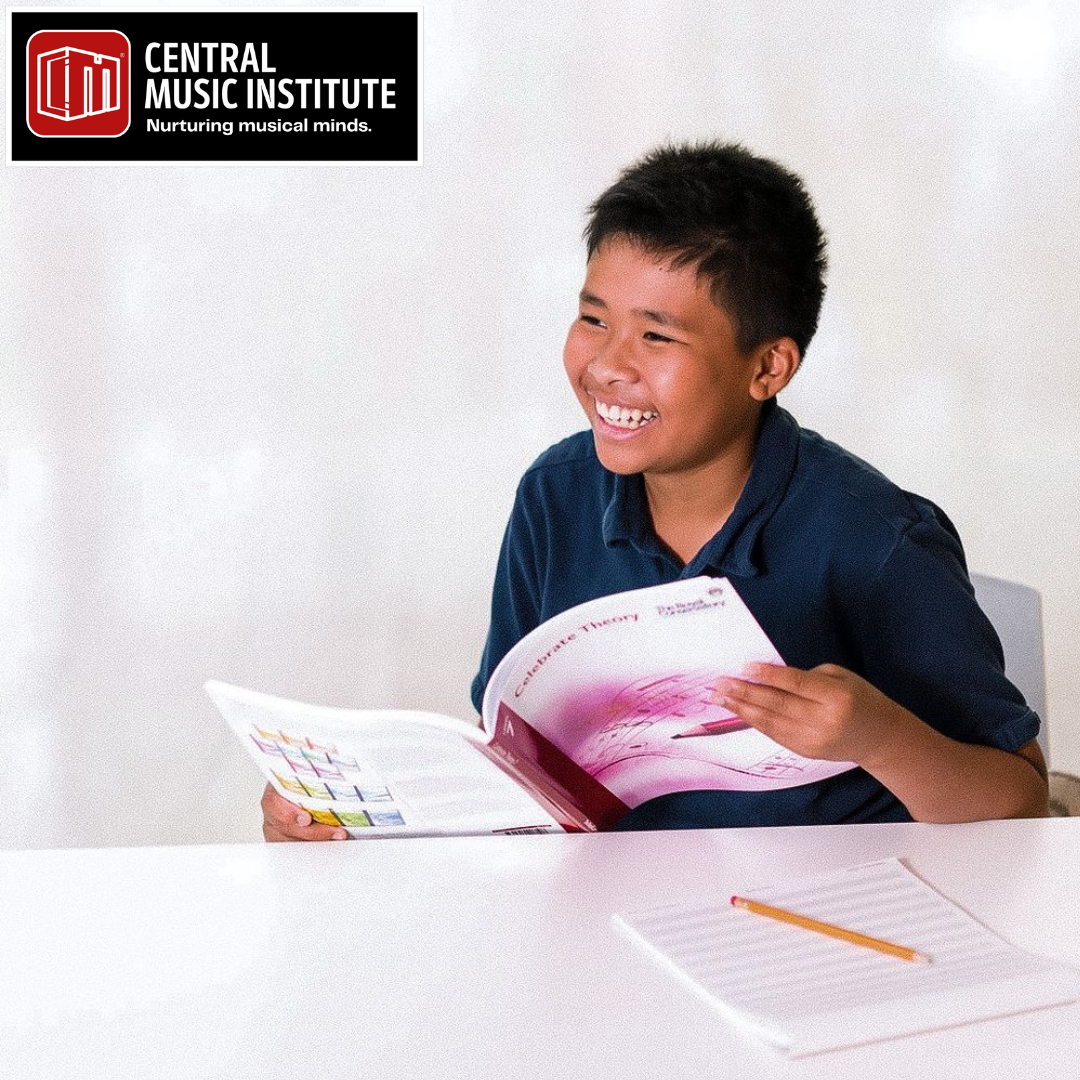
Size alone does not define a great music institute. What matters is what that space makes possible.
At approximately 15,000 sq. ft., the new CMI campus on Club Road has been planned to provide considerably more than rows of conventional classrooms. Different musical disciplines require different environments, and the campus is being developed accordingly.
Students can expect spacious, sophisticated and meticulously maintained learning environments designed for individual lessons, vocal training, instrumental instruction, ensemble work, rehearsals, performance preparation, music production and technology-led learning.
The overall experience is intended to feel distinctly premium: modern interiors, carefully designed classrooms, professional equipment, comfortable learning spaces and an atmosphere that encourages students to take their music seriously.
Premium Comfort: Centralised AC, Heating & Air Purification
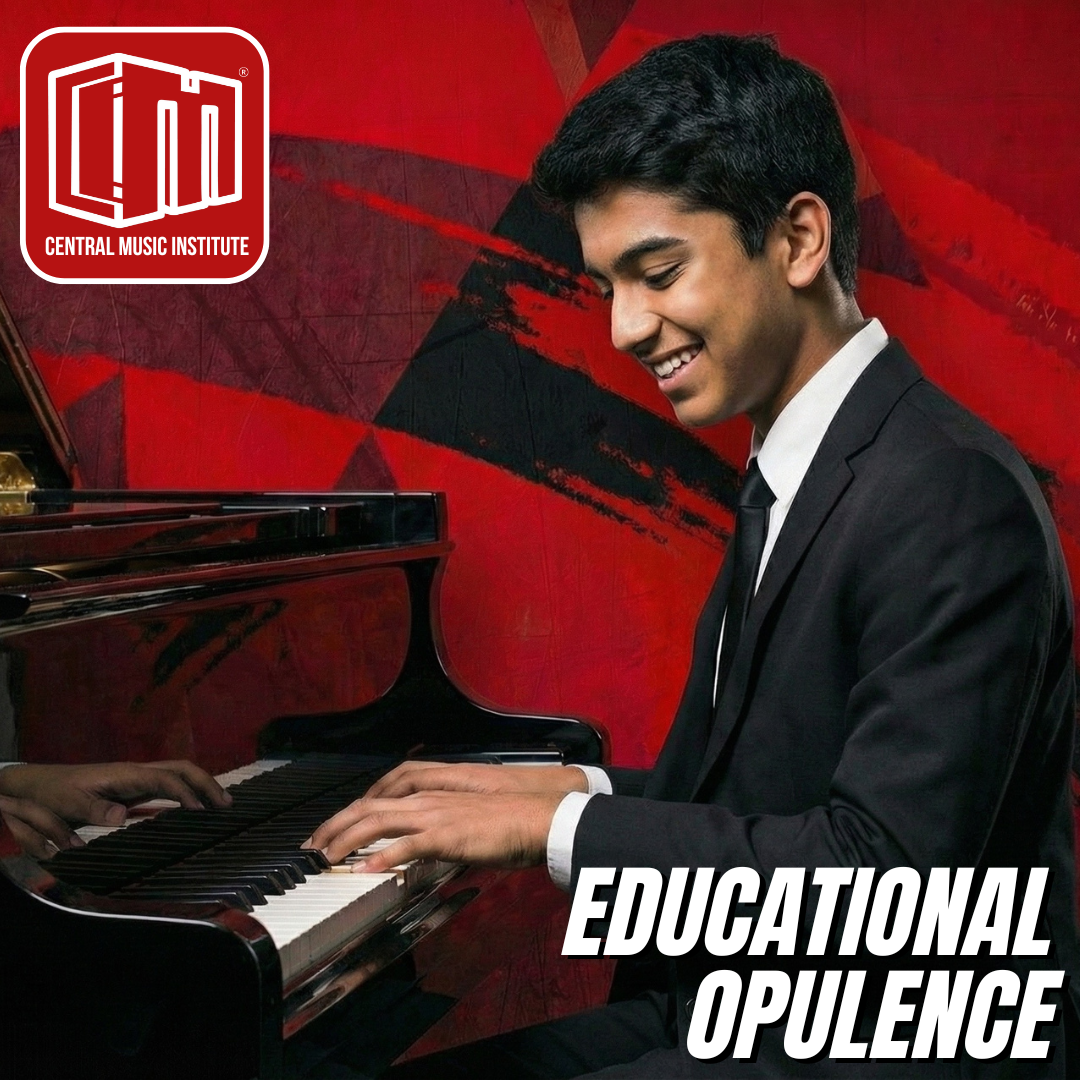
A world-class learning environment begins with the fundamentals.
CMI's campus is designed around centralised air-conditioning and heating, modern ventilation and air-purification infrastructure, creating a comfortable and controlled environment throughout the year.
For a music institute in New Delhi, this is particularly meaningful. Extreme seasonal temperatures and fluctuating outdoor air quality should not interfere with a student's ability to concentrate, practise or learn.
The objective is simple: students should walk into CMI and immediately feel that they have entered a space designed specifically for their comfort, focus and development.
AI-Driven Music Education Meets Human Expertise

Artificial intelligence is transforming nearly every creative industry, and music education is no exception.
CMI is embracing AI-enhanced and technology-enabled learning to complement the work of its teachers and provide students with a more contemporary educational experience.
AI-assisted tools can support areas such as practice, musical analysis, feedback, rhythm, listening, theory and personalised learning resources. Digital technology can also help students understand the modern workflows used in recording, composition and production.
But CMI's philosophy is not about replacing teachers with technology.
The most valuable part of music education remains human mentorship.
A great teacher understands when a student needs greater technical precision, when they need encouragement, when a concept needs to be explained differently and when a student is ready to be challenged. Technology can provide additional information; an exceptional teacher provides context, interpretation and direction.
CMI brings these two worlds together.
An Extraordinary Range of Instruments & Musical Disciplines

One of the defining characteristics of CMI is the sheer breadth of its musical ecosystem.
Students can explore:
Guitar: Acoustic Guitar, Electric Guitar, Classical Guitar and Bass Guitar
Keyboard & Piano: Piano, Keyboard and advanced piano studies
Strings: Violin, Viola, Cello and Double Bass
Drums & Percussion: Drum Kit, Tabla, Cajón and other percussion disciplines
Wind Instruments: Flute, Bansuri, Saxophone, Clarinet, Trumpet and Trombone
Indian Classical Instruments: Sitar, Sarod, Harmonium, Tabla, Bansuri, Mridangam and other traditional instruments
Vocals: Western Vocals, Hindustani Classical Vocals and Carnatic Classical Vocals
Contemporary Music: Songwriting, Composition, Arrangement and Ensemble Performance
Technology: Music Production, Audio Engineering, Recording, Digital Audio and Music Technology
This breadth allows CMI to function as an interconnected musical community rather than a collection of unrelated classes.
From Western Music to India's Classical Traditions

Modern music education should not require students to choose between heritage and contemporary culture.
CMI brings Western Classical, contemporary music, Hindustani Classical and Carnatic Classical traditions into one sophisticated educational environment.
A student may learn piano while exploring Western music theory. Another may develop Hindustani Classical vocal technique. Someone else may discover Carnatic music, Tabla, Sitar or Bansuri.
This diversity matters.
Indian music has an extraordinary intellectual and cultural history, while Western musical traditions have influenced some of the world's most important developments in harmony, orchestration, composition and performance. Contemporary music adds another layer through popular culture, recording technology, digital production and global collaboration.
CMI gives students the opportunity to explore these worlds rather than treating them as separate universes.
High-Quality Instruments for Serious Learning

A teacher can be exceptional, but the instrument a student learns on still matters.
CMI places considerable emphasis on the quality of its musical instruments and equipment, with a focus on premium German, Japanese, American and internationally respected instruments and professional-grade musical infrastructure.
For students, this means learning on instruments that allow them to experience differences in tone, response, articulation, dynamics and touch.
For advanced musicians, quality becomes even more important. A serious pianist needs an instrument capable of responding to nuanced touch. A vocalist needs a properly designed environment and high-quality audio equipment. A drummer needs an instrument that responds consistently. A music producer needs monitoring and recording equipment capable of revealing detail.
The philosophy is straightforward:
If we expect students to develop exceptional musicianship, they should have access to exceptional tools.
Faculty That Goes Beyond Teaching Notes

The instrument is only one part of the equation. The teacher shapes the journey.
CMI's faculty-driven educational model focuses on experienced and accomplished musicians and educators who understand that music education is about much more than teaching songs.
Students develop technique, musicianship, rhythm, aural awareness, music theory, interpretation, repertoire, creativity, performance confidence and musical independence.
The objective is to create musicians who understand what they are playing—not simply students who can reproduce what they have been shown.
That distinction becomes increasingly important as students progress.
A Curriculum Built for Real Musical Development

CMI's educational approach combines structured learning with creativity.
Depending on the student's age, instrument and objectives, lessons can incorporate technical development, graded examination preparation, repertoire, music theory, sight-reading, ear training, improvisation, composition, ensemble playing and performance preparation.
For younger students, the focus can be on creating a strong and enjoyable foundation. As students progress, their learning can become increasingly specialised and rigorous.
For aspiring professionals, the ecosystem extends beyond instrumental technique into areas such as music production, songwriting, recording, audio engineering and contemporary music technology.
This creates a pathway from first lesson to advanced musicianship.
Performance Is Part of the Education

Music is ultimately meant to be heard.
That is why performance plays an important role in the CMI learning experience. Students can develop their abilities through recitals, concerts, ensembles, chamber music, bands, workshops and masterclasses.
Performing teaches lessons that cannot be replicated entirely inside a classroom.
Students learn how to manage nerves, communicate with an audience, listen to other musicians, maintain concentration, recover from mistakes and perform with confidence.
For children, that first performance can be transformative.
For advanced musicians, repeated performance develops professionalism.
A Safe, Premium & Student-Centred Environment

For parents, the quality of music education is only one consideration. The environment matters just as much.
CMI's new campus is being designed with student safety, responsible supervision, cleanliness, professional administration, comfort and a carefully managed learning environment at its core.
The campus aims to provide families with the confidence that their children are learning in a space that takes their wellbeing and educational experience seriously.
The result is intended to be a setting that feels premium without becoming intimidating, sophisticated without losing warmth, and modern without losing the personal connection that makes music education meaningful.
Club Road, Punjabi Bagh: A Flagship Destination for Music

Location matters.
Situated on Club Road, Punjabi Bagh, New Delhi, CMI's upcoming flagship campus is positioned to become an important destination for music education in Delhi and beyond.
The intention is not simply to create another neighbourhood music school. The new campus is being developed with a larger ambition: to establish a sophisticated music education destination where students, parents, musicians, educators and creative professionals can interact with a broader musical ecosystem.
Why Central Music Institute Is Different

There are many places where someone can learn an instrument.
The difference lies in the ecosystem surrounding the lesson.
At CMI, that ecosystem brings together:
15,000 sq. ft. of premium music education infrastructure
AI-driven and technology-enabled learning
Sophisticated, spacious and meticulously maintained classrooms
Centralised air-conditioning and heating
Air purification and controlled indoor comfort
Premium musical instruments and professional equipment
Western and Indian Classical music education
Accomplished and specialist faculty
Music production and audio engineering
Performance and ensemble opportunities
Music theory, musicianship and graded examination preparation
Modern student safety and administrative systems
A premium Club Road, Punjabi Bagh location
Together, these elements create something much more comprehensive than an ordinary music lesson.
The Future of Music Education Is More Connected

The next generation of musicians will not exist exclusively inside one category.
A pianist may become a composer. A guitarist may become a producer. A vocalist may become a songwriter. A drummer may become a recording artist. A teenager learning Hindustani Classical music may eventually collaborate with electronic musicians on a global project.
Music is becoming increasingly interdisciplinary.
CMI's upcoming flagship campus is designed around exactly this reality.
It combines classical discipline with contemporary creativity, human mentorship with artificial intelligence, premium instruments with modern technology and Indian musical heritage with global musical thinking.
That is what makes Central Music Institute's new 15,000 sq. ft. Club Road campus more than a new address.
It represents a new benchmark for what a modern music institute in New Delhi can aspire to be.
Central Music Institute: Where Music Meets the Future

For a child discovering their first instrument, an adult finally returning to music, a teenager preparing for advanced examinations or an aspiring artist exploring production and performance, the right environment can change everything.
The instrument matters.
The curriculum matters.
The teacher matters.
But so does the environment in which all three come together.
Central Music Institute (CMI) is building that environment on Club Road, Punjabi Bagh—a premium, technology-forward and globally minded campus where music education, innovation, performance, culture and creativity meet under one roof.
In 2026, the question is no longer what a music school needs to be.
The more interesting question is what it could become.
CMI is building toward that answer.
